What Is the Theme of Film Noir? The Core Ideas Explained
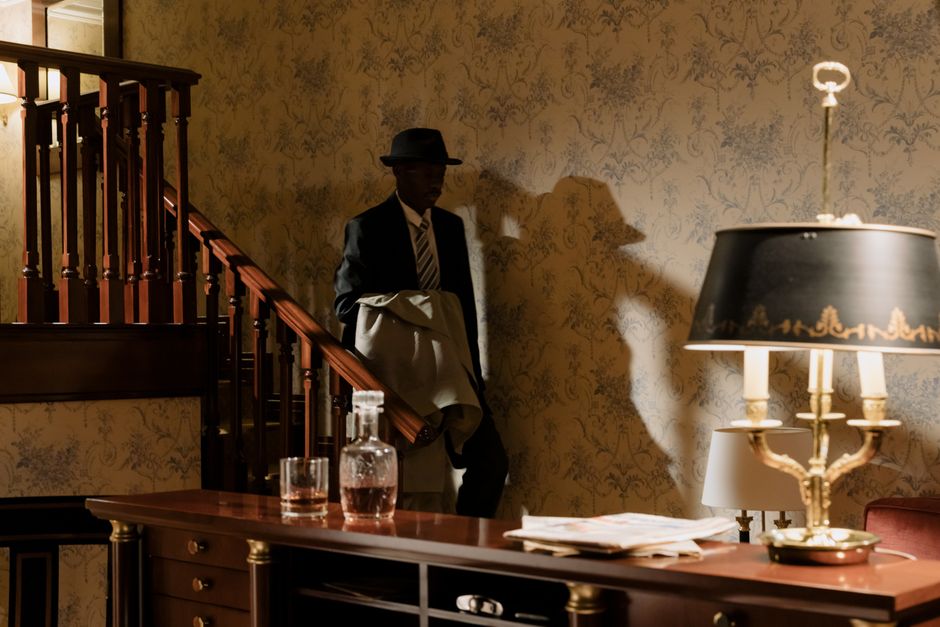
The theme of film noir boils down to this: moral ambiguity and existential dread in a corrupt world where nobody's truly innocent.
You won't find heroes in noir. You'll find flawed people making terrible choices, caught between survival and self-destruction. The genre doesn't judge them. It just shows you the mess they're in and lets you figure out who deserves what. That ambiguity is the whole point.
If you're drawn to stories that refuse to give easy answers, where right and wrong blur together like shadows on a rain-soaked street, noir gets under your skin in a way other genres can't. And if you're interested in how these themes work across different mediums—from classic detective novels to modern thrillers—David Culpepper explores these exact moral territories in literary crime fiction.
Related: What Are the Different Types of Noir? A Complete Guide
Related: What Are the Different Types of Noir? A Complete 2026 Guide
The Core Themes of Film Noir
Noir grew out of post-World War II anxiety. America had just won a massive war, but soldiers came home traumatized. The country was supposed to be good and safe, but corruption ran deep in politics, business, and law enforcement. Noir reflected that disillusionment perfectly.
Here's what makes noir noir:
- Moral Ambiguity: Characters aren't good or bad. They're caught in systems that force them to compromise. A detective might break the law to catch a killer. A criminal might be more honorable than the cops chasing him. You decide who's right.
- Corruption as the Norm: In noir, the system itself is rotten. Police are dirty. Politicians are bought. Organized crime runs the streets. Good intentions don't stand a chance against institutional corruption.
- Alienation and Entrapment: Protagonists feel isolated, even in crowded cities. They're trapped by their own nature, their past, or the circumstances around them. There's no escape, just the illusion of one.
- Self-Destructive Behavior: Noir characters sabotage themselves. They fall for the wrong person. They drink too much. They can't walk away from danger even when they should. Compulsion drives the plot more than reason.
- Existential Dread: There's a feeling that life is meaningless, that choices don't matter, that fate or luck controls everything. The world is indifferent to human suffering.
These themes work together to create a specific atmosphere: pessimism, cynicism, and the sense that you're watching someone's slow descent into darkness.
Why the Visual Style Matters to the Theme
Noir isn't just about what happens in the story. It's about how you see it.
Dark lighting, heavy shadows, and gritty urban settings aren't just cool aesthetics. They're narrative tools. Shadows hide truth. Darkness makes it impossible to see clearly. Rain-soaked streets feel claustrophobic even though they're wide open. These visual choices reinforce the theme that the world is corrupt, unclear, and inescapable.
When you watch a noir film or read noir literature, the atmosphere of confusion and danger should feel constant. You should never feel safe. That's intentional.
The best noir writers and filmmakers understand that style and story are inseparable. A bright, cheerful scene shot in sunlight can't carry noir's themes. The darkness has to be there.
How Noir Explores Corruption
Corruption in noir isn't just about crooked cops. It's systemic.
In noir stories, everyone has been compromised by the system they live in. The protagonist might be a detective trying to do the right thing, but the department he works for is controlled by organized crime. A lawyer might want justice, but the courts are bought. There's no institution you can trust.
This creates an impossible moral landscape. Characters can't rely on the law, the government, or society to protect them or validate their choices. They have to operate in the gray zone where personal morality becomes more important than official rules.
That's why noir protagonists often break laws we'd normally condemn. In a corrupt system, breaking the rules might be the only ethical choice available to them.
If you want to understand how this plays out in contemporary literary fiction, writers like David Culpepper take these classic noir themes and root them in Southern settings, where regional history and institutional corruption create their own kind of moral quicksand.
Related: Southern Gothic vs Southern Noir: Key Differences Explained
Related: Southern Gothic vs. Noir: The Key Differences Explained
Alienation and Disconnection in Noir
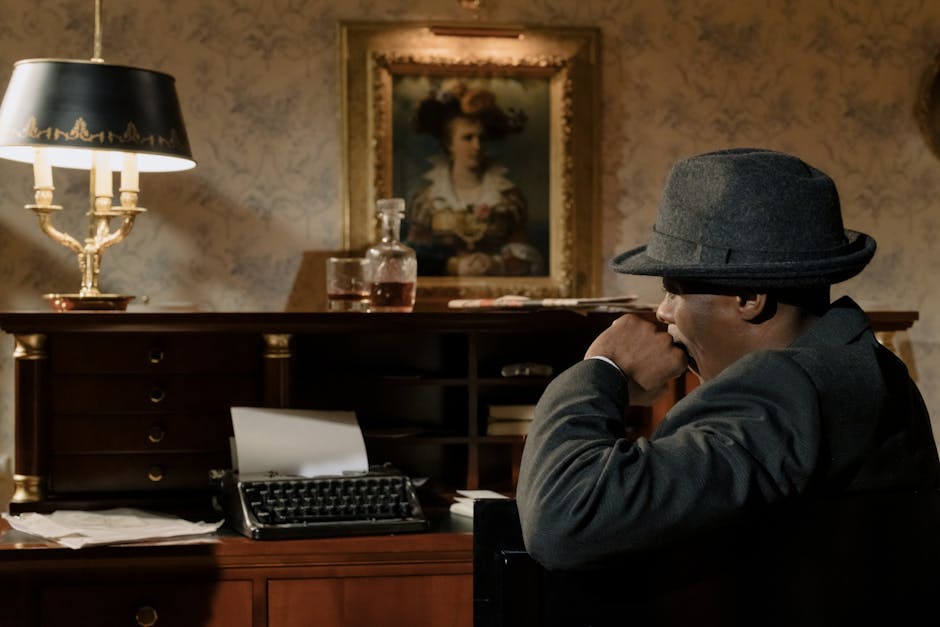
Noir protagonists are lonely. Even when they're surrounded by people, they feel cut off.
This alienation isn't accidental. It reflects the postwar experience. Millions of soldiers came home and couldn't connect with the world they fought for. The American Dream felt like a lie. Success didn't mean happiness. Money didn't buy safety.
In noir, characters drift through cities feeling disconnected from normal life. They can't maintain relationships. They can't trust anyone. They're trapped in their own heads, watching the world go by without being part of it.
This theme gives noir its emotional weight. The corruption and violence aren't the real horror. The real horror is loneliness and the sense that you're fundamentally separated from society, no matter how hard you try to connect.
Neo-Noir: How the Genre Evolved
Noir didn't die. It evolved.
Neo-noir films like Chinatown and LA Confidential, released decades after classic noir's peak, proved that these themes are timeless. Corruption, moral ambiguity, and existential dread don't go out of style. They just adapt to new eras.
Neo-noir often adds more psychological depth and explicit violence than classic noir could show. But the core themes remain the same: the world is corrupt, characters are flawed, and good intentions aren't enough.
Modern thrillers, crime novels, and detective fiction all owe a debt to noir. The genre established that you don't need heroes and villains to tell a compelling story. You just need complex people making hard choices in impossible situations.
That's why understanding noir's themes matters even if you're not watching 1940s films. If you're reading contemporary crime fiction or dark thrillers, you're reading the spiritual descendants of noir. Understanding the genre helps you appreciate what these writers are doing with morality, atmosphere, and character.
Why Noir Themes Still Resonate
We're not living in 1945 anymore, but we're still dealing with institutional corruption. We still feel alienated by systems that don't work for us. We still see people making compromises and living with the consequences.
Noir themes are universal because human nature is universal. Give any person an impossible choice, and they'll probably make the choice that lets them survive, even if it costs them their integrity. Put anyone in a system designed to benefit the powerful, and they'll eventually question whether playing by the rules matters.
Noir acknowledges this dark side of human nature without preaching. It doesn't tell you what to think. It shows you the world as it is—messy, corrupt, and full of people trying to do their best in the worst circumstances.
That's why readers keep coming back to noir. Whether you're exploring classic detective fiction or diving into modern literary crime novels, noir offers something other genres don't: permission to sit with moral complexity and uncomfortable questions. If you want to experience how these themes work in contemporary Southern noir, check out what David Culpepper is doing with character-driven crime fiction that refuses easy answers.
Understanding Noir's Lasting Impact

Noir didn't just create a style. It created a way of seeing the world.
Once you understand noir's themes, you'll see them everywhere. In crime shows. In psychological thrillers. In literary fiction that explores moral ambiguity. The genre's DNA has seeped into popular culture so deeply that many stories are noir-influenced without even knowing it.
The key to understanding noir is remembering this: the genre is fundamentally pessimistic. It doesn't believe in redemption, easy answers, or justice. It believes in consequences, complexity, and characters trapped by their own nature and the systems around them.
When you watch or read noir, you're not supposed to feel good. You're supposed to feel the weight of difficult choices and the impossibility of escape. That's the whole point.
Frequently Asked Questions
What is the main theme of film noir?
The main theme is moral ambiguity in a corrupt world. Noir explores how ordinary people compromise their ethics when faced with impossible choices and corrupt systems. Characters aren't clearly good or evil—they're caught between survival and integrity, and the genre refuses to judge them.
How does noir differ from regular crime fiction?
Crime fiction focuses on solving a mystery or catching a criminal. Noir focuses on the moral and psychological journey of a compromised protagonist navigating corruption. A noir story asks "Why does this person act this way?" rather than "Who committed the crime?" The atmosphere and the character's internal struggle matter more than plot resolution.
Why is noir so pessimistic?
Noir emerged from post-World War II disillusionment. Soldiers came home to find corruption in institutions they trusted. The genre reflects that loss of faith in the system. In noir's worldview, justice doesn't exist, institutions are rotten, and individual morality is all anyone has—and even that gets compromised.
Is noir just a visual style, or is it more?
Noir is both. The dark lighting, shadows, and gritty settings aren't decoration—they're essential to the theme. The visual style reinforces the narrative message that the world is unclear, dangerous, and inescapable. Style and story work together to create noir's atmosphere.