Noir Genres Explained: Types & What Makes Them Work
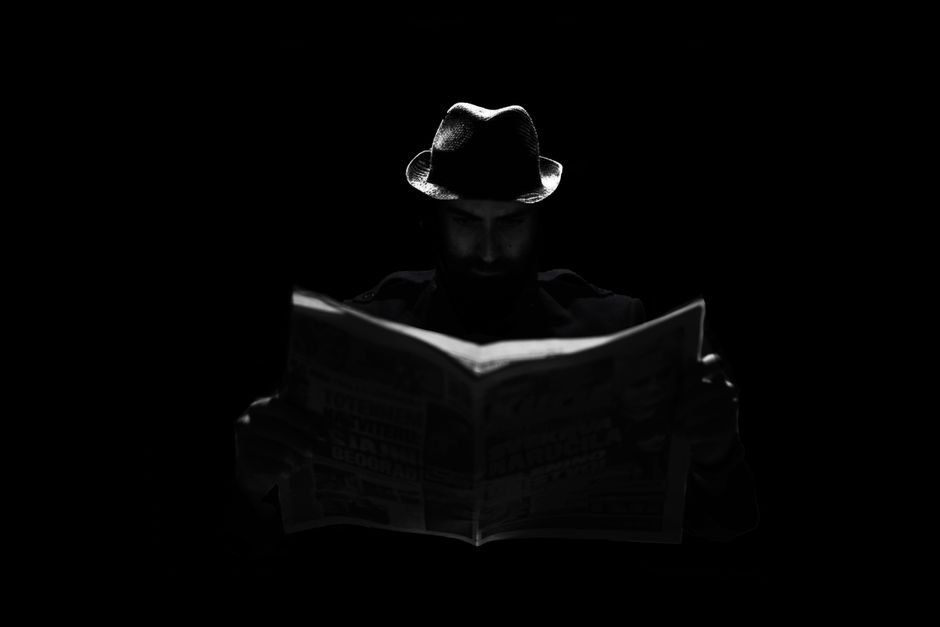
Noir isn't just one thing. It's a whole ecosystem of genres—film noir, hard-boiled fiction, neo-noir—all built on the same dark DNA. If you're trying to understand what noir genres actually are and how they differ, you need to know the foundational style first, then see how it branches out into everything from 1940s cinema to today's prestige television.
What Are Noir Genres, Really?
Noir genres are storytelling styles centered on crime, corruption, and morally ambiguous characters navigating systems that are rigged against them. The term "noir" comes from French film critics who noticed a wave of American crime films in the 1940s and 50s that had a distinct visual and narrative feel: dark, cynical, and deeply atmospheric.
But here's the thing—noir isn't a single, locked-down genre. It's more like a flavor profile that can blend into detective fiction, thrillers, melodramas, and psychological crime stories. The boundaries are genuinely contested among critics and scholars, which is part of what makes noir so alive as a creative space.
Related: Southern Noir Films: Essential Picks & What Makes Them Tick
When you're reading or watching noir, you're entering a world where the line between right and wrong gets blurry. Nobody's a clear hero. The system itself is often the real villain. That moral complexity is what separates noir from straightforward crime stories.
The Visual Language of Noir Genres
If you've ever watched a noir film, you felt it immediately: the lighting. High-contrast, stark shadows. Characters half-lit, half-hidden. Rain-slicked streets. Venetian blind shadows across faces.
This visual approach came partly from the film's budget constraints—B-movies on tight schedules used dramatic lighting and shadow instead of expensive sets. But it also drew from German Expressionist cinema, which understood that what you don't see is scarier than what you do.
In literary noir—crime novels and short stories—writers mimic this visual language with prose. They use stark, economical sentences. Heavy imagery. Metaphor and simile work overtime to create that sense of darkness and claustrophobia. When you read crime fiction rooted in Southern noir traditions, you're getting that same visual intensity translated into words.
Key Noir Genre Types
Classic Film Noir (1940s-1950s)
This is the OG. Think detectives in fedoras, femmes fatales, shadowy apartments, and moral rot lurking beneath the surface of postwar America. These films featured complex narrative structures—flashbacks, unreliable narrators, fragmented timelines. The plots centered on mysteries, organized crime, and characters caught in webs of corruption.
Hard-Boiled Fiction
The literary cousin of film noir. These are novels and short stories written in a specific voice: cynical, street-smart, first-person. The protagonist is usually a private detective or a man pushed into circumstances beyond his control. The prose style is clipped, direct, and soaked in the atmosphere of cities—real ones that feel like characters themselves.
Neo-Noir
This is noir for audiences after the 1960s. It takes the visual and narrative DNA of classic noir and transplants it into contemporary settings. You'll see it everywhere: prestige TV shows, contemporary crime novels, modern films that deliberately invoke noir aesthetics. Neo-noir keeps the moral ambiguity and the atmospheric weight but updates the technology, the language, and sometimes the geography.
Southern Noir
This is where place becomes inextricable from plot. Southern noir roots itself in regional history, legacy, and the specific corruption of Southern institutions. It's noir that understands heat, poverty, racial violence, and old money colliding. The atmosphere isn't just visual—it's cultural, historical, and deeply specific to the South. If you want to understand how noir genres can be shaped by geography and history, Southern noir is the masterclass. Writers working in this space dig into what David Culpepper explores in his fiction: characters shaped by the places they're from and the choices available to them.
Narrative Techniques That Define Noir Genres
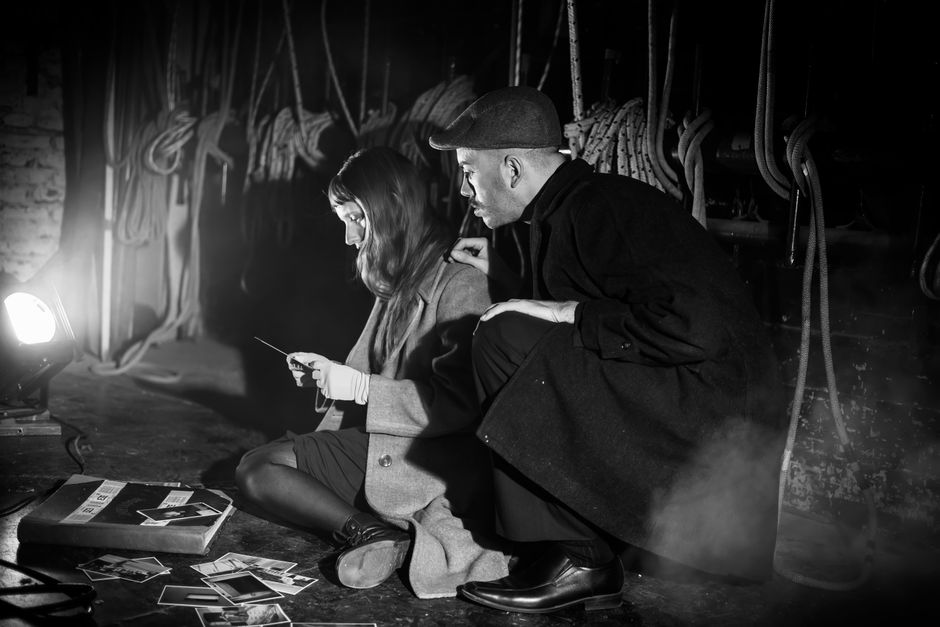
Beyond plot and character, noir genres use specific storytelling tricks that create their distinctive feel.
Flashbacks are common. You often start in the present with a mystery or a crime, then spiral backward to understand how your protagonist got here. This structure mirrors the noir worldview—you're always uncovering hidden truths that complicate the surface story.
Unreliable narration is another cornerstone. You can't always trust what the narrator is telling you. They're lying, misremembering, or withholding information. This forces you to read actively and question what you're being told. It's uncomfortable on purpose.
Metaphor-heavy prose is standard in noir fiction. Writers don't just describe a scene—they make it mean something. A character's apartment reflects their moral state. The weather mirrors the emotional temperature of a scene. Language becomes layered and atmospheric.
First-person perspective dominates, especially in hard-boiled fiction. You're locked inside your protagonist's head, experiencing their cynicism and their conscience in real time.
Why Noir Genres Keep Evolving
Noir isn't a dead genre preserved in amber from the 1940s. It keeps adapting because the themes it explores—corruption, inequality, the gap between law and justice, the cost of survival—never go away. Every era has its version of noir because every era has its moral compromises.
Contemporary noir speaks to audiences who are tired of simple morality tales. You want characters who feel real. You want systems that are genuinely corrupt, not just individual bad guys. You want to understand why someone made a choice that was wrong but also made sense given what they were facing.
That's what makes noir genres enduring. They refuse to let you rest in easy judgments. If you're drawn to crime fiction that respects your intelligence and doesn't shy away from the gray areas, noir genres—whether you encounter them through film, television, or novels—will keep pulling you back.
How to Recognize Noir in What You're Reading or Watching
Ask yourself these questions. Is the protagonist morally compromised? Are the institutions more villainous than the individual criminals? Does the story use shadow, rain, darkness, or claustrophobic settings as mood-makers? Is there a femme fatale or a character who isn't what they seem? Does the ending feel bittersweet or tragic, not triumphant?
If you're nodding yes to most of these, you're experiencing noir genres in some form. The specific vehicle matters less than the sensibility: you're in a world where survival and decency are often at odds, where power is distributed unfairly, and where the best anyone can do is maintain their integrity while getting compromised by the system they're moving through.
That's the heart of every noir genre, whether it's a 1946 film or a novel published this year. If you want to dig deeper into how noir themes play out in contemporary fiction—especially work rooted in Southern settings and regional complexity—explore what David Culpepper is building in the crime fiction space. Understanding noir genres gives you the framework; reading noir fiction teaches you how it lives.
Where to Start With Noir Genres

If you're new to this, don't start with theory. Start with watching or reading.
Watch a classic film noir like The Big Sleep or Out of the Past. Notice the visual language. Feel the moral weight. See how nobody gets what they want and the system punishes everyone equally.
Then read a hard-boiled novel. Let yourself experience the prose style and the first-person cynicism. See how different noir feels when you're inside a character's thoughts rather than watching their shadow across a wall.
Then move into contemporary noir—TV shows that deliberately invoke the style, modern novels that update the setting but keep the sensibility. Notice how the themes persist. The technology changes, but corruption doesn't. Characters get older but the moral dilemmas stay fresh.
As you develop your taste for noir genres, you'll start seeing how specific regional contexts shape the genre. Southern noir, Pacific noir, rural noir—each has its own flavor. The bones are the same, but the specificity changes everything. If you're interested in how noir works when it's rooted in a particular place and history, that's worth exploring in depth through both classic and contemporary fiction.
The Enduring Appeal of Noir Genres
Noir genres have been declared dead roughly every decade since they emerged, and they keep coming back. Why? Because they're honest about how the world actually works. Not in the sense that every person is corrupt, but in the sense that systems are rigged, that good intentions collide with bad options, and that surviving often means getting your hands dirty.
That's not pessimism. That's clarity. And readers and viewers who want that clarity, who want storytelling that respects their intelligence and refuses easy answers, will keep seeking out noir genres in whatever form they're offered.
Whether you're discovering noir through contemporary crime fiction or diving back into the classics, you're engaging with a tradition that understands the weight of place, the complexity of character, and the permanent tension between what we tell ourselves and what we actually do.
FAQs: Understanding Noir Genres
What's the difference between noir and neo-noir?
Noir refers to the original American film and literary movement of the 1940s-1950s. Neo-noir applies the aesthetic, themes, and narrative techniques of that tradition to contemporary stories set in modern times. Neo-noir keeps the visual language and moral complexity but updates the setting, technology, and sometimes the social context. Think of noir as the tradition and neo-noir as its ongoing evolution.
Can noir genres blend with other genres?
Absolutely. Noir is more of a flavor or sensibility than a rigid category. It blends with thriller elements, mystery plots, psychological drama, and even science fiction in some cases. The core elements—moral ambiguity, atmospheric storytelling, corruption as a theme—travel across genre boundaries. That's why noir's boundaries are genuinely contested among critics.
Is all crime fiction noir?
No. Crime fiction is a much broader category. You can have a crime novel with a clear hero, a satisfying resolution, and faith in justice winning. That's not noir. Noir requires a specific moral uncertainty and a worldview where the system itself is compromised, not just individual criminals. Not every detective story is noir; noir is crime fiction with a specific philosophical attitude.
Why do noir stories often end badly or ambiguously?
Because noir is fundamentally about characters trapped in systems larger than themselves. The ending often reflects the reality of that trap—there's no clean escape, no total victory, sometimes no clear justice. Ambiguous or tragic endings aren't a bug in noir; they're a feature. They reflect the genre's honesty about how the world actually works, especially for people without power.