Best Southern Noir Movies: A Critic's Guide
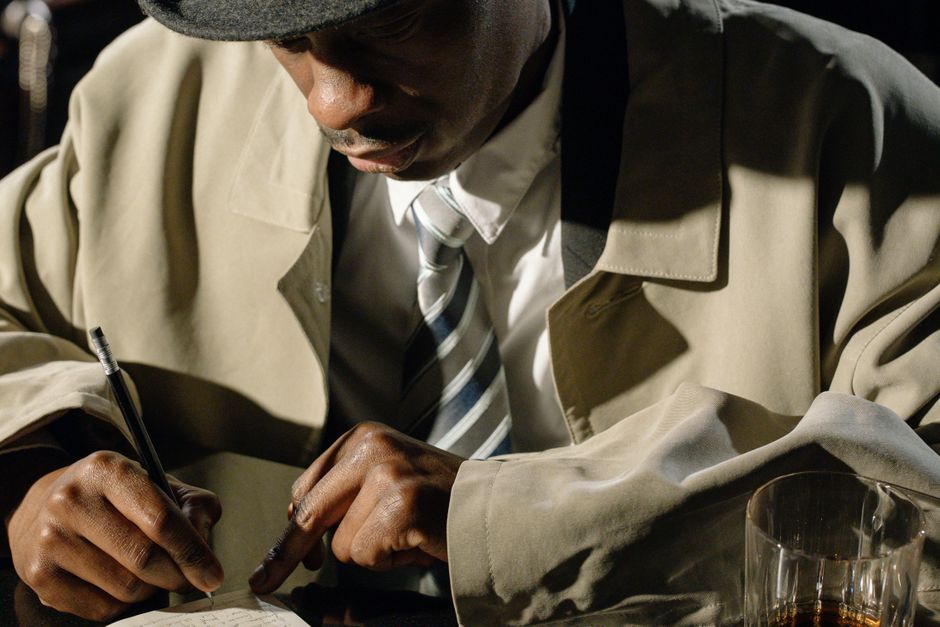
Southern noir is its own beast. It's not just crime stories set in the South—it's a whole mood. Think bayou fog, moral decay, characters trapped by their own demons and the landscape itself. If you're looking for the best Southern noir movies to watch, you're after films that blend philosophical despair with regional atmosphere in a way that feels both timeless and rooted in place.
That's the kind of storytelling that sticks with you. And if you're like most noir fans, you're probably drawn to stories where the setting itself becomes a character—where the South's history, corruption, and contradictions shape everything that happens on screen.
I've pulled together the essential Southern noir films you need to see, broken down what makes them work, and why they matter if you're serious about understanding the genre. Whether you're new to Southern noir or you've been watching these for years, there's something here to deepen your appreciation for how place, character, and darkness intersect.
Related: What Is Southern Noir Fiction? A Guide to the Genre
Related: Noir Fiction Characteristics: A Complete Guide
Related: Best Gritty Southern Noir With Great Narrator: 2026 Guide
The Essential Southern Noir Films You Need to Watch
Let's start with the films that defined this subgenre and still hold up today.
Blood Simple is maybe the most important modern Southern noir ever made. The Coen Brothers set it in Texas, and it's a masterclass in how to use landscape—flat, empty, morally empty—to amplify human corruption. A married woman, a jealous husband, a hitman, and lies layered on lies. The cinematography is bleak and beautiful. You watch it once and it rewires how you see noir.
The Night of the Hunter (1955) is the foundation. Charles Laughton directed this one film and it's haunting—a preacher with "LOVE" and "HATE" tattooed on his knuckles hunts two children down a river. It's Southern Gothic meets noir, with Robert Mitchum playing one of cinema's most terrifying villains. If you haven't seen it, start here.
Angel Heart takes noir into darker territory. It's set in New Orleans, and Alan Parker uses the city like a character trapped in its own damnation. Mickey Rourke plays a private detective spiraling into hell—literally—while investigating a mysterious case. It's dense, atmospheric, and deeply unsettling.
The Big Easy is New Orleans crime noir at its most seductive and corrupt. Dennis Quaid plays a cop wrapped up in the city's criminal machinery. It's got style, sex, and moral compromise written into every frame. This one shows you that Southern noir doesn't have to be bleak—it can be seductive, which somehow makes it worse.
Want to explore how character and setting intersect in noir storytelling? David Culpepper writes character-driven crime fiction rooted in regional atmosphere—if you're developing your eye for how Southern writers build moral complexity into place.
Classic Films That Laid the Groundwork
In the Heat of the Night (1967) is essential. Sidney Poitier and Rod Steiger play a Black Philadelphia detective and a white Southern sheriff forced to work together investigating a murder in a small Mississippi town. It's a noir that confronts race, power, and the South's actual history head-on. The tension is unbearable because it's real.
Cape Fear (both the 1962 original and Scorsese's 1991 remake) puts a man and his family under siege from a released convict played by Robert Mitchum (the original) or Robert De Niro (the remake). It's set in the Carolinas, and the South here feels claustrophobic, trapped. The threat is personal and inescapable.
Key Largo (1948) predates much of the explicit Southern noir movement, but it's set in the Florida Keys and it's got that atmospheric, trapped-location vibe. Humphrey Bogart and Lauren Bacall are stuck in a hotel with violent criminals during a hurricane. The setting amplifies everything.
Modern Southern Noir That Gets It Right
If you think Southern noir stopped being made in the '90s, you're missing out.
Mud (2012) is a modern masterpiece. Matthew McConaughey plays a fugitive hiding on an island in the Mississippi River, and a young boy becomes caught between helping him and facing reality. It's got that slow-burn Southern atmosphere, moral ambiguity, and a landscape that feels alive and threatening. This film understands what made the classics work.
Blue Ruin (2013) is a revenge story set in the South, and it's brutal in the best way. It doesn't glamorize violence or crime—it shows you the actual cost of vengeance. The atmosphere is grinding and claustrophobic.
Deliverance (1972) gets classified different ways, but it's fundamentally a Southern noir-adjacent film about civilized men confronting primal violence in the Georgia wilderness. Jon Voight, Burt Reynolds, and Ned Beatty are on a canoe trip that turns into nightmare. The South here isn't romantic—it's dangerous.
True Detective, Season One isn't a film, but it's required watching if you care about modern Southern noir. Matthew McConaughey and Woody Harrelson investigating a ritualistic murder in Louisiana bayou country. The cinematography is haunting. The philosophical despair is suffocating. This is peak Southern noir storytelling—philosophical, regional, morally complex.
Why These Films Matter for Noir Fans

Southern noir isn't just noir that happens to be set in the South. It's a subgenre where geography is moral.
The South in these films carries history—slavery, Jim Crow, corruption built into institutions, families trapped in cycles of violence and shame. The landscape itself is character. Bayous, empty highways, small towns where everyone knows your sin but nobody speaks about it. Heat and humidity that make every scene feel like a pressure cooker.
What separates Southern noir from general noir is that the setting doesn't just frame the story—it creates the story. The characters can't escape because the place won't let them. That's what makes it work.
If you're drawn to this kind of storytelling—narratives where place, character, and moral complexity are inseparable—you'll find that David Culpepper's approach to Southern noir fiction operates on the same principle. Setting as character. Atmosphere as plot.
Building Your Southern Noir Film Collection
Start with Blood Simple and The Night of the Hunter. Those two films will teach you the language of Southern noir.
Then watch In the Heat of the Night and Cape Fear. You'll see how the subgenre handles race, power, and the actual South versus the mythologized South.
Follow up with Angel Heart and The Big Easy to understand how the genre evolved and how different regions (Texas, Louisiana, the Carolinas) create different kinds of darkness.
Then move to modern work: Mud, Blue Ruin, and True Detective Season One. You'll see that Southern noir isn't a historical curiosity—it's a living, evolving subgenre that still has urgent things to say.
Take your time with each film. Southern noir rewards slow watching. You need to let the atmosphere settle into your bones. These aren't fast-paced thrillers designed to hit you with plot twists every five minutes. They're meditation on corruption, place, and the ways people betray themselves.
The more you watch, the more you'll notice what's working beneath the surface. The sound design. The way characters talk. How the camera lingers on empty streets or water. These details accumulate. They create mood.
What Makes a Film Southern Noir, Not Just Noir
Here's the distinction: general noir focuses on moral ambiguity and dark psychology. Southern noir does that, but it adds something specific—a sense that the place itself is cursed or corrupted. The South isn't just a setting. It's a trap.
In Southern noir, characters often can't leave because they're rooted there by blood, obligation, or shame. They're bound to a place that's bound to its own history. That's what separates Blood Simple from, say, a classic 1940s noir like The Third Man (which is set in Vienna and is brilliant, but it's not Southern noir because Vienna is incidental to the story).
Southern noir uses the South as essential. You couldn't transplant these stories to Brooklyn or Los Angeles and have them work the same way. The bayou, the heat, the accent, the history—all of it matters.
If you want to understand how writers build that same kind of atmospheric, place-rooted storytelling into fiction, explore what David Culpepper is doing with Southern noir novels. The principles are the same whether you're watching film or reading prose.
People Also Ask

What is Southern noir?
Southern noir is a subgenre of noir that emphasizes the American South—its landscape, history, moral ambiguity, and regional character—as integral to the story. It blends the psychological darkness of traditional noir with Southern Gothic atmosphere, often featuring bayou or rural settings, corruption embedded in institutions, and characters trapped by place and legacy. Films like Blood Simple and True Detective Season One are prime examples.
Is True Detective Season 1 actually noir?
Yes. True Detective Season 1 is widely considered a perfect example of modern Southern noir. It combines philosophical despair, moral ambiguity, Louisiana bayou atmosphere, and complex characters investigating ritualistic crime. The cinematography, pacing, and thematic depth align with noir traditions while feeling explicitly Southern.
What's the difference between Southern Gothic and Southern noir?
Southern Gothic emphasizes atmosphere, decay, and grotesque or supernatural elements rooted in regional history. Southern noir adds the psychological and moral darkness of traditional noir—moral ambiguity, crime, corruption, flawed protagonists. A film can be both, but Southern noir prioritizes crime, investigation, and moral compromise alongside Gothic atmosphere.
Should I watch these films in a specific order?
Start with Blood Simple or The Night of the Hunter to understand the genre's foundation. Then watch In the Heat of the Night for historical and thematic depth. Follow with modern examples like Mud or True Detective. This progression helps you see how Southern noir evolved and deepens your understanding of what makes the subgenre distinct.